
I sometimes fantasize about our northeastern states seceding from the Union (capitalized for clarity and for the sake of divorcing the word from certain specific meanings) because I no longer feel that the government as constituted in Washington DC represents the interests of its citizens. It would be easy enough to claim that the problem is Stinky Don and his minions, but the issues run deeper, and are unlikely to be resolved by replacing him as head of state.
It would be hard. Crashing out comes with damage. Along with the risks, there would be some rewards, most having to do with not having to listen to and work within the whims of the cadre of corrupt billionaires who currently run too much of our lives. As such, this might not be my last post about this. I think about national divorce a bunch.
There are a number of areas of governance we would have to consider here: economics/feeding ourselves, defending ourselves/relations with our neighbors, living by the social contract/civic policy, and the thousand unknowns of going it alone seem to me to be the basics.
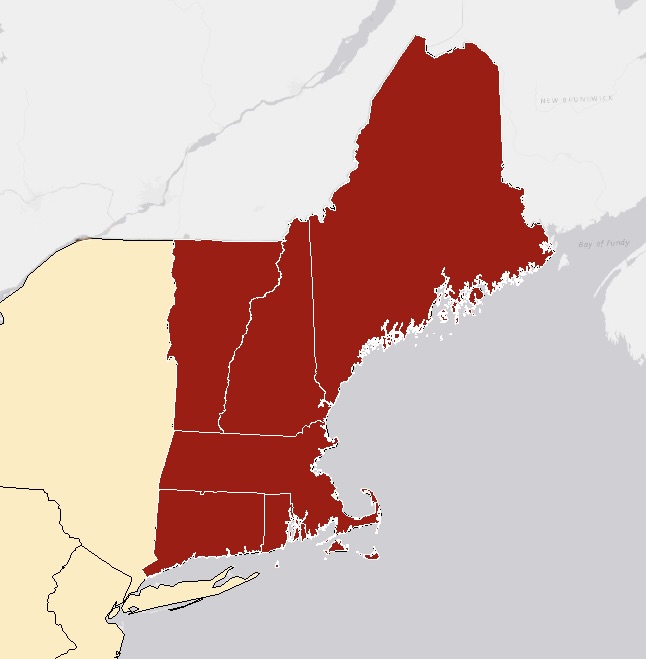
One thing I often hear talked about is that New England states are “donor states.” In truth, three New England states qualify as donor states, and three of our number are recipient states. Massachusetts and Connecticut consistently pay more in taxes than we recieve in benefits, New Hampshire is usually a donor state, though not always because they’re close to the line between donor and recipient always. Maine, Vermont, and Rhode Island are consistently recipient states.
The thing to remember here is that states don’t pay federal taxes, individuals do. Massachusetts and Connecticut (and to a lesser extent, southern New Hampshire) are where the highest concentrations of wealth are. Every possible solution to the donor/recipient state disparity that I’ve heard looks like bad policy, including some “fixes” that are pure regressive taxation.
This is not something that should be thought of in making the case for secession. Honestly, the fact that the first place I went to in thinking about this is an example of right-wing framing is surprising to me, now that I’ve investigated a little bit. To get to the goal of a free New England, there’s clearly some reflection and self-deprogramming that needs to happen.
Perhaps the main reason I want to cut away from the rest of the country is that this region, in self-rule, would be more humanist and more left-leaning. A smaller system would be more likely to support the people of that system. It would be our responsibility to realign away from sheer wealth creation to making a local system of governance that respects and supports individuals in a way that the current federal government has almost completely abdicated from.
Sorry this post is so random. There’s a ton to think about here, and I will have to do a bunch of digging to even scratch the surface of how this massive historical shift could even begin to be considered. I will make little swipes at this from time to time… more so if readers of this blog show interest, of course. Does anybody else around here sometimes imagine a social-democratic New England, standing proud and free? Let me know in the comments.
Please consider liking and commenting on this post. Subscribe if you can – it costs you nothing (you no longer have to have a wordpress account to like or comment) and clicking on the buttons helps this site thrive! Also, do be a dear and share this post with those you know who might appreciate it!



 Broadcast From the Brain Radio